

Starting the day outdoors may help your internal clock, alertness and daily routine. Here are seven realistic benefits of morning daylight—and practical ways to enjoy it safely.
Why Morning Daylight Matters
Natural daylight helps synchronize your circadian rhythm—the internal clock that influences sleep and wakefulness. Outdoor daylight is generally much brighter than ordinary indoor lighting, even on cloudy days.
1. Supports Your Body Clock
Light after waking helps signal that daytime has begun. Regular exposure, together with consistent sleep and wake times, can reinforce a stable daily rhythm.
2. May Improve Sleep Timing
Morning light often shifts the body clock earlier, potentially helping people feel sleepy earlier at night. Results vary, and persistent insomnia warrants medical assessment.
3. Encourages Daytime Alertness
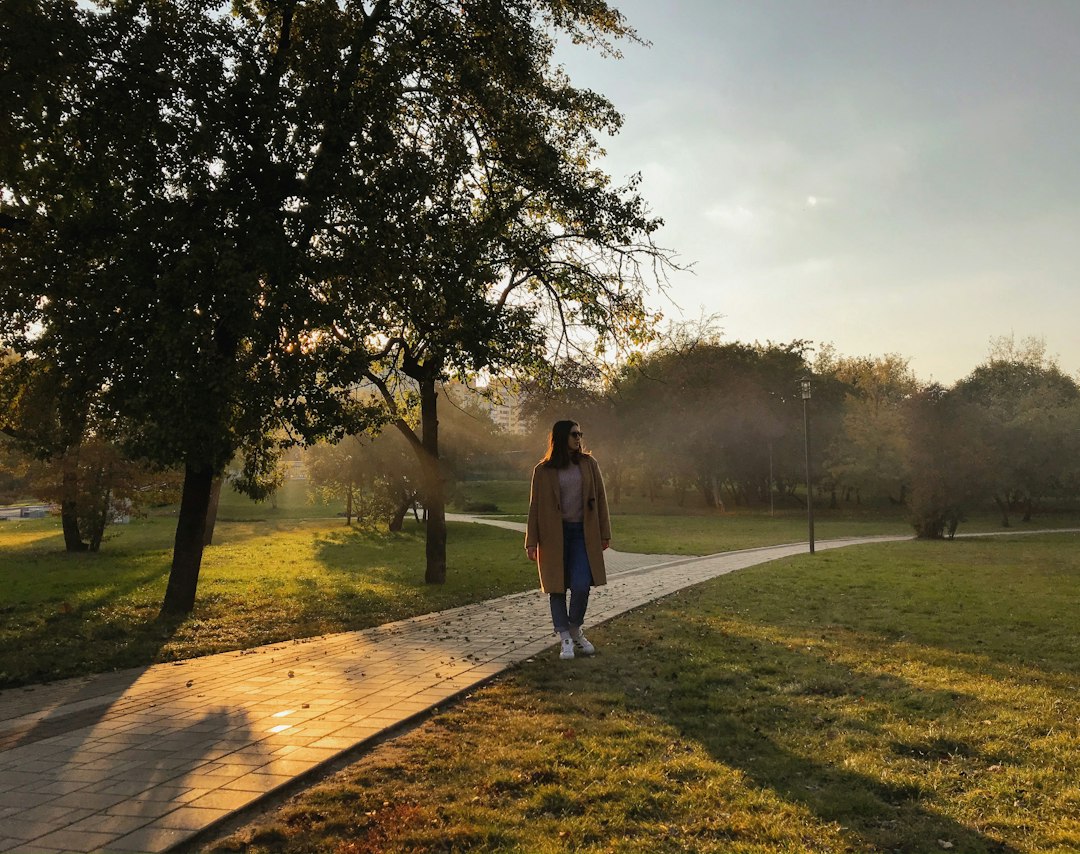
Bright light supports wakefulness. A short morning walk may help you feel more ready for the day, especially alongside adequate sleep.
4. Makes It Easier to Stay Active
A walk outside combines daylight exposure with physical activity. Regular movement benefits cardiovascular health, strength and general well-being.
5. Can Support Mood and Well-Being
Outdoor time and regular activity can support well-being. Morning sunlight is not a substitute for treatment of depression or other mental health conditions.
6. Helps Establish a Healthy Routine
Getting outside after breakfast can become a repeatable habit that supports a more consistent daily schedule.
7. Can Contribute to Vitamin D Under Some Conditions
UVB rays can help skin produce vitamin D, but production depends on time of day, location, season, skin tone and other factors. Early-morning sunlight may contain too little UVB for meaningful production. Diet and supplements may be needed if deficiency is diagnosed.
How to Get Morning Daylight Safely
Try spending some time outdoors after waking, such as during a short walk. There is no universal number of minutes that suits everyone. Do not stare at the sun. Use shade, protective clothing and sunscreen when UV exposure warrants it, and avoid sunburn.
Who Should Seek Personalized Advice?
People with persistent sleep problems, shift-work schedules, photosensitive conditions or medicines that increase sun sensitivity may need individualized guidance.
Frequently Asked Questions
Does sunlight through a window help?
Indoor daylight may help, but outdoor light is usually much brighter. Window glass also blocks most UVB, so sitting by a window is not a reliable way to produce vitamin D.
Can morning sunlight cure insomnia?
No. It may support sleep timing, but ongoing insomnia can require evaluation and evidence-based treatment.
Is it safe to look at the sun?
No. Direct sun-gazing can permanently damage vision.
Does everyone need the same amount of daylight?
No. The helpful timing and duration vary with sleep schedule, environment and health needs.
Final Thoughts
Morning daylight is a simple way to support your body clock and build an active daily routine. Keep expectations realistic and protect your skin and eyes.
Related reading: 10 Healthy Indian Breakfast Ideas for a Balanced Diet.
Medical disclaimer: Educational content only; consult a qualified professional for medical concerns.