

A runny nose, cough, sore throat or fever can make you wonder whether you have a common cold, influenza (flu) or COVID-19. These respiratory infections share many symptoms, so you cannot reliably identify the cause from symptoms alone. Here is a practical comparison and advice on testing, protecting others and recognizing warning signs.
Flu vs. Cold vs. COVID-19: Quick Symptom Comparison
| Feature | Common cold | Flu | COVID-19 |
|---|---|---|---|
| Typical onset | Often gradual | Often sudden | Variable |
| Fever | Less common in adults | Common, but not always present | Possible, but not always present |
| Runny or stuffy nose | Common | Possible | Possible |
| Cough | Common | Common | Common |
| Body aches and fatigue | Usually milder | Often prominent | Variable, sometimes significant |
| Change in smell or taste | Can occur with congestion | Possible | Possible; not specific to COVID-19 |
Important: These are general patterns, not a diagnostic test. Any of these illnesses can look different from person to person, and other viruses such as RSV can cause similar symptoms.
1. What Is the Common Cold?
A cold is a mild upper respiratory infection caused by several viruses, especially rhinoviruses. Symptoms often include sneezing, nasal congestion, runny nose, sore throat and cough. Many people recover with rest and supportive care, but symptoms can occasionally lead to complications.
2. What Does Flu Usually Feel Like?
Influenza can start abruptly with fever or chills, cough, headache, muscle aches and marked tiredness. Not everyone with flu has a fever. Flu can cause serious complications, particularly in older adults, young children, pregnant people and those with certain medical conditions.
3. What Are Common COVID-19 Symptoms?
COVID-19 may cause sore throat, cough, congestion, fever, fatigue, headache or other symptoms. Some people have mild symptoms while others become seriously ill. A new loss of taste or smell can occur, but it is not present in every case and is not enough to confirm a diagnosis.
Can You Tell Flu and COVID-19 Apart Without a Test?
No. Their symptoms overlap substantially. A clinician may recommend a COVID-19 test, flu test or combined respiratory test based on your symptoms, risk factors, local circulation and whether treatment decisions depend on the result. A negative rapid antigen result does not always rule out infection; follow the test instructions and current public-health guidance about repeat testing.
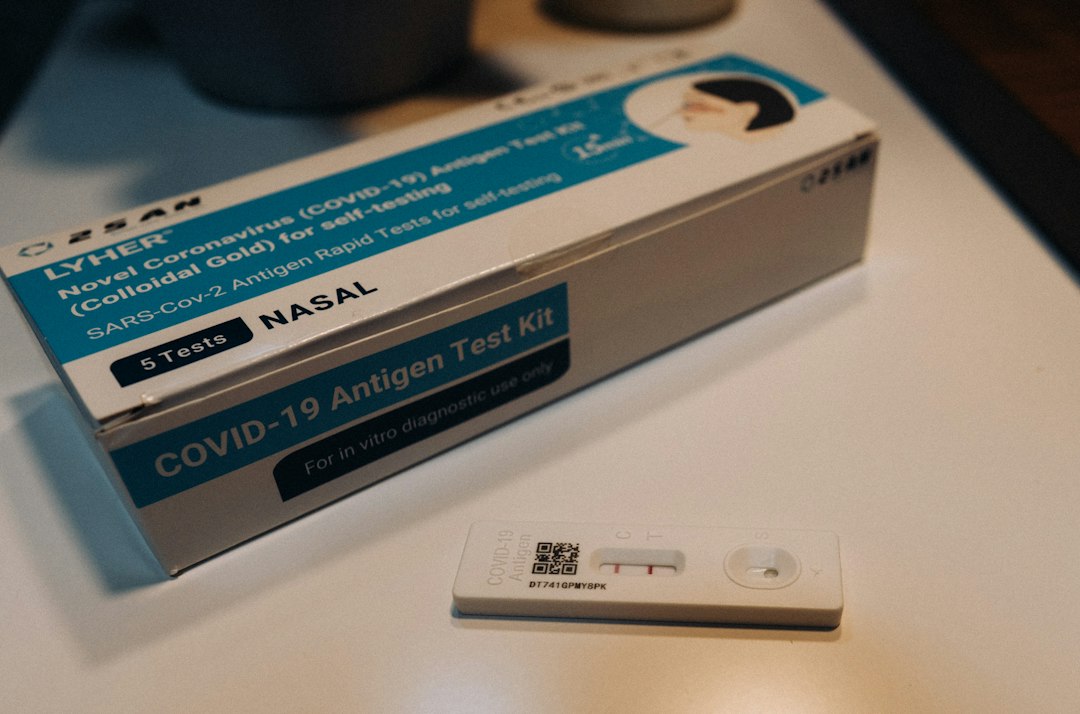
When Should You Test?
Consider testing when you develop compatible symptoms, have had an exposure or need to make decisions about protecting vulnerable people. People at higher risk of severe illness should contact a healthcare professional promptly, because some prescription antiviral treatments work best when started early. Do not delay seeking medical advice while waiting for a test if you are high risk or becoming more unwell.
How to Treat Symptoms Safely
For mild illness, rest, adequate fluids, and appropriate over-the-counter treatments may help with discomfort. Follow package directions and check with a pharmacist if you take other medicines, are pregnant or have medical conditions. Antibiotics do not treat viral colds, flu or COVID-19. Prescription antivirals may be appropriate for eligible patients with flu or COVID-19; a clinician can advise.

How to Reduce the Spread
- Stay home and away from others when you have respiratory symptoms and are unwell, following current local guidance.
- Improve ventilation and consider a well-fitting mask around other people, especially those at higher risk.
- Wash hands regularly and cover coughs and sneezes.
- Keep recommended flu and COVID-19 vaccinations up to date based on your age, health and local guidance.
- Take extra precautions when visiting older adults, infants or immunocompromised people.
When to Seek Medical Help
Seek urgent medical care for trouble breathing, persistent chest pain or pressure, new confusion, inability to stay awake, or blue, gray or pale lips or skin, depending on skin tone. Also seek prompt advice for dehydration, symptoms that improve and then worsen, or a high-risk person developing respiratory symptoms. Warning signs can vary by age.
Frequently Asked Questions
Is a sudden fever always the flu?
No. Flu often starts suddenly, but COVID-19 and other infections can also cause fever.
Can you have COVID-19 without fever?
Yes. Fever is not required for COVID-19, and symptoms vary.
Can a cold cause body aches?
Yes, although severe aches are more typical of flu than an uncomplicated cold.
Should I take antibiotics for flu?
No. Antibiotics do not work against influenza viruses unless a clinician identifies a separate bacterial infection.
Do I need a test if symptoms are mild?
Testing can still be useful, especially if you live with someone vulnerable, have risk factors or may qualify for early treatment. Follow local recommendations.
Bottom Line
Colds, flu and COVID-19 can feel alike. Symptom patterns provide clues, but testing and medical assessment may be needed to know what is causing your illness. Focus on protecting others, managing symptoms safely and seeking timely care when needed.
Related reading: Why colds become more common at the start of winter.
Medical disclaimer: This article provides general health education and is not a substitute for professional diagnosis or treatment. Recommendations can change; check current guidance from your local health authority.