
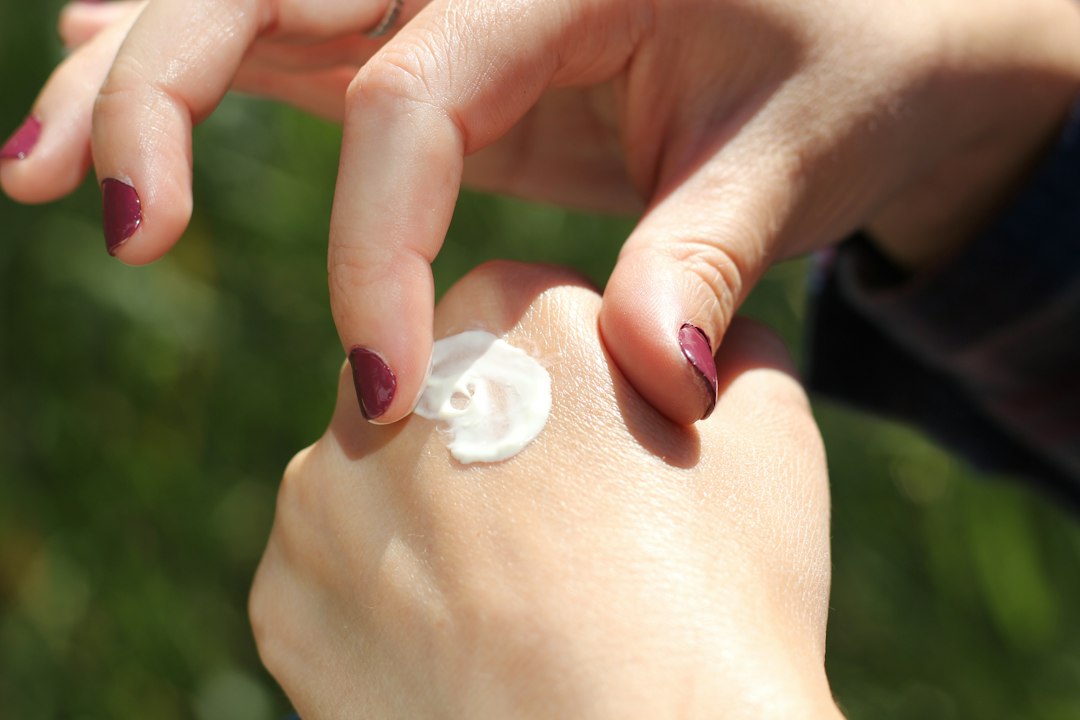
When winter begins, your skin may suddenly feel tight, flaky or itchy. The problem is not simply the cold: low humidity, indoor heating and everyday washing habits can all affect the skin barrier. Here is why winter dry skin happens and what actually helps.
Why Skin Becomes Dry in Winter
The outer skin barrier normally holds moisture in and keeps irritants out. During colder months, low humidity and indoor heating can increase water loss from the skin. Hot showers and harsh cleansers may worsen the problem.
1. Cold Outdoor Air Often Has Less Moisture
Cold air generally contains less water vapor than warm air. When outdoor humidity is low, skin can lose moisture more easily, especially on exposed areas such as hands and face.
2. Indoor Heating Can Dry the Air
Heaters warm indoor air without necessarily adding moisture. Low indoor relative humidity can contribute to tight, flaky or uncomfortable skin.
3. Hot Showers and Strong Soaps Strip Natural Oils
Long, hot showers and fragranced or aggressive cleansers can remove protective skin oils and aggravate irritation. Lukewarm water and gentle cleansers are often better choices.
4. The Skin Barrier Can Become Irritated
When the skin barrier is disrupted, skin may feel rough, tight or itchy. Scratching can create further inflammation and sometimes small cracks that increase infection risk.
5. Eczema May Flare in Cold Weather
People with atopic dermatitis or other sensitive-skin conditions may notice more dryness and itching during winter. Not every winter rash is eczema, however, and persistent symptoms deserve assessment.
Common Signs of Winter Dry Skin
Typical symptoms include tightness after bathing, fine flakes, rough patches, mild redness and itching. Deep cracks, bleeding, oozing or significant pain are reasons to seek medical advice.
How to Prevent Dry and Itchy Skin
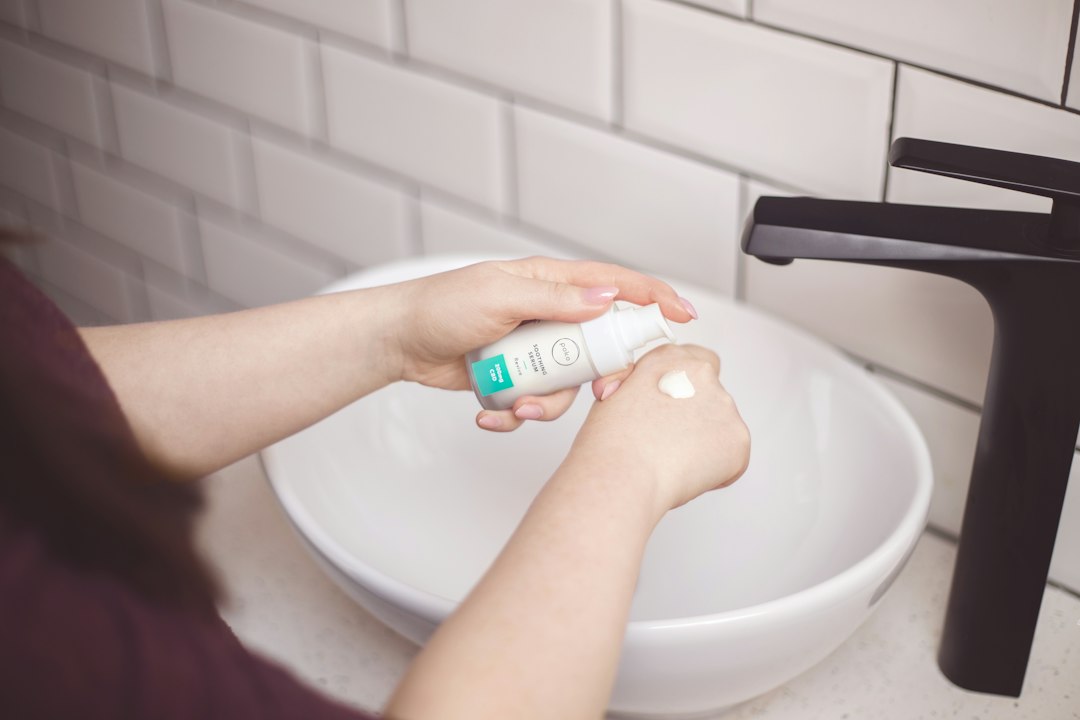
Apply a fragrance-free moisturizer promptly after washing and at least daily. Thick creams and ointments often work better than thin lotions for very dry skin. Take shorter lukewarm showers, use gentle fragrance-free cleansers, wear gloves outdoors, and consider a clean humidifier if indoor air is very dry. Avoid over-humidifying rooms, which can encourage mold.
Which Moisturizer Ingredients Help?
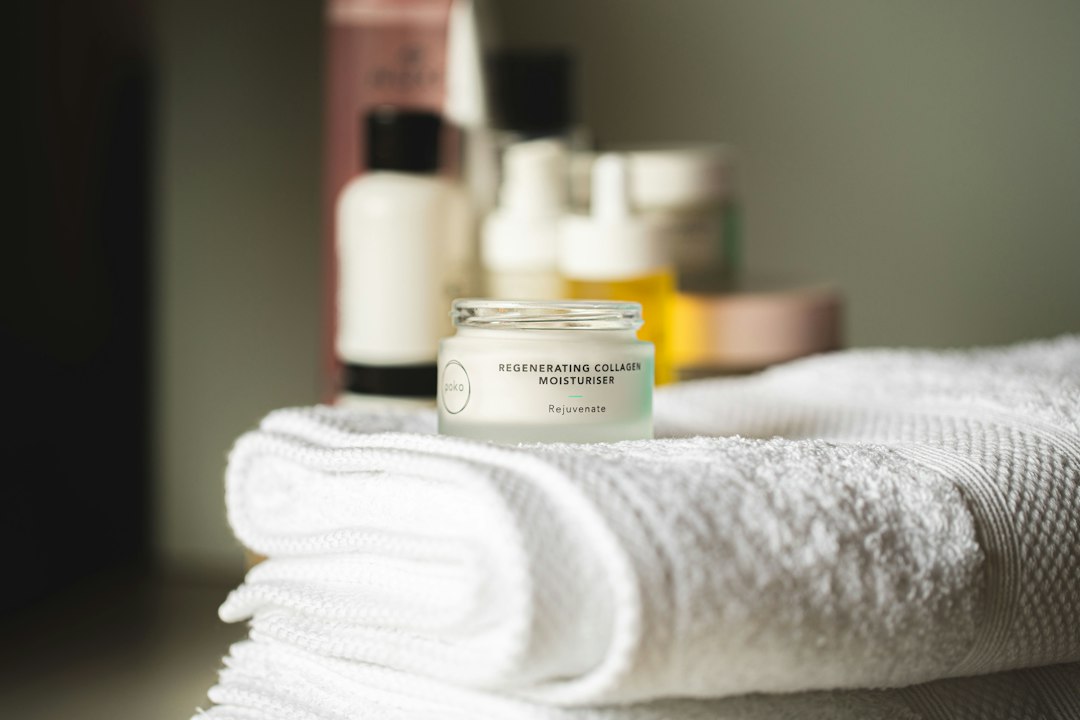
Look for ingredients such as petrolatum, glycerin, ceramides and hyaluronic acid. Petrolatum helps reduce water loss; glycerin and hyaluronic acid attract water; ceramides help support the skin barrier. Choose a product suited to your skin and stop using anything that causes irritation.
What Helps With Winter Itching?
Moisturizing regularly is a useful first step. A cool compress may temporarily ease itching. Avoid scratching and keep fingernails short. If a rash is inflamed or itching persists, ask a clinician or pharmacist whether a suitable treatment is needed; do not use steroid creams indiscriminately.
When to See a Doctor
Seek medical advice if itching is severe, disrupts sleep, affects large areas, or does not improve with gentle skin care. Prompt assessment is important for spreading redness, warmth, pus, fever, deep cracks or signs of infection. Widespread itching without an obvious rash can occasionally have causes unrelated to dry skin.
Frequently Asked Questions
Does drinking more water cure winter dry skin?
Normal hydration supports health, but drinking extra water alone does not reliably fix a damaged skin barrier. Moisturizing and reducing irritants are usually more helpful.
Should I moisturize before or after a shower?
Apply moisturizer soon after gently patting the skin dry, while it is still slightly damp.
Is petroleum jelly good for very dry skin?
Plain petrolatum can reduce water loss and is often helpful on dry patches, although some people prefer lighter creams for daily use.
Can a humidifier help?
It may help when indoor air is dry, provided it is cleaned regularly and humidity is kept at a sensible level.
Is every itchy winter rash eczema?
No. Irritant reactions, allergies, infections and other conditions can also cause itching.
Final Takeaway
Winter dryness is common, but it is often manageable with gentle cleansing, shorter lukewarm showers and consistent use of a thick fragrance-free moisturizer. Get medical advice if symptoms are persistent, severe or suggest infection.
Medical disclaimer: This article is educational and does not replace individual medical advice.