

Why does a sore throat or runny nose seem to arrive just as winter starts? It is tempting to blame the cold weather, but the real explanation involves viruses, indoor habits and the changing environment. Here is what science suggests—and what you can do to protect yourself.
Is Cold Weather the Cause of a Cold?
The common cold is caused by respiratory viruses, not by cold air itself. Rhinoviruses are frequent causes, although other viruses can produce similar symptoms. Being outdoors without a jacket does not directly create an infection.
1. We Spend More Time Indoors
As temperatures fall, people often gather inside homes, schools, offices and public transport. Close contact makes it easier for respiratory viruses to pass from one person to another, especially in poorly ventilated spaces.
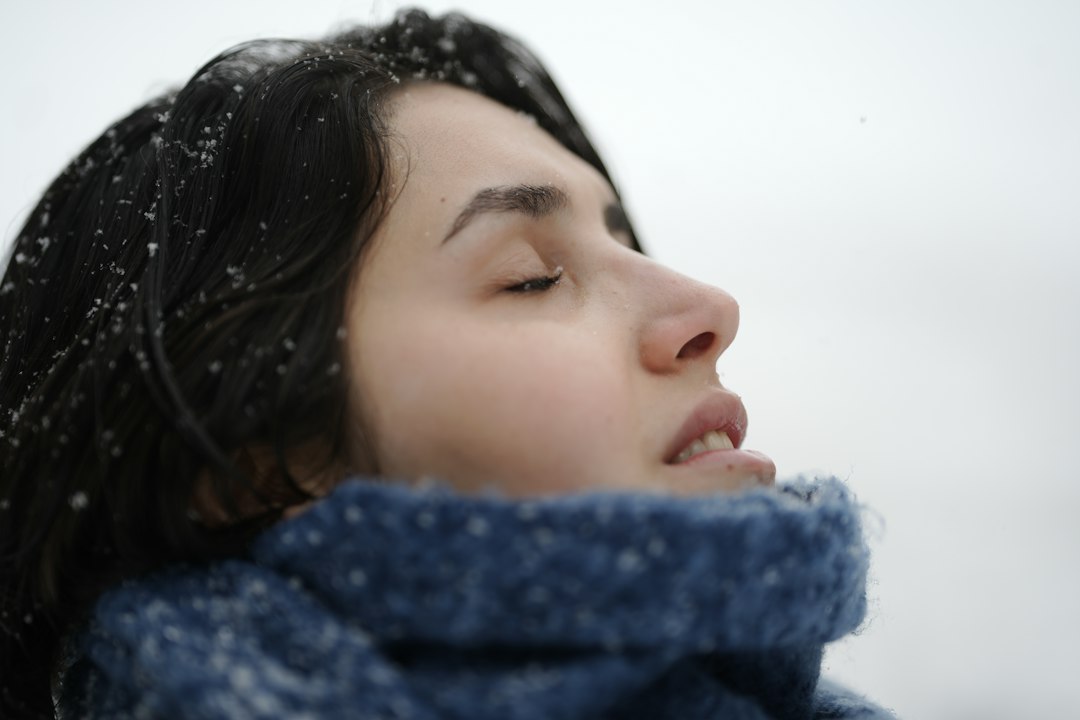
2. Dry Air Can Affect the Nose
Cold outdoor air holds less moisture, and indoor heating can make air drier. Dry conditions may affect the mucus and tiny hairlike cilia that help clear particles from the airways. This is one possible contributor to seasonal respiratory infections, not a guarantee that someone will get sick.
3. Some Viruses Spread More Efficiently in Cool, Dry Conditions
Laboratory and population research suggests that temperature and humidity can influence how certain respiratory viruses remain infectious and spread. The effect differs by virus, so winter weather does not explain every cold.
4. School and Work Bring People Together
The beginning of colder months often coincides with more time in classrooms, shared offices and indoor events. Frequent contact and shared air create opportunities for infection.
5. Seasonal Changes in Nasal Defenses May Matter
Research suggests that cooling of nasal tissues may influence some local antiviral defenses. This is an active area of study, and it does not mean that a chilly nose alone causes a cold.
6. We May Notice More Respiratory Illnesses at Once
Cold viruses, influenza, COVID-19 and other respiratory infections can circulate during the colder season. Their symptoms overlap, and a cough or runny nose is not always a simple cold.
How Does a Common Cold Spread?
Cold-causing viruses can spread through respiratory particles released when an infected person breathes, speaks, coughs or sneezes. They may also spread when contaminated hands touch the eyes, nose or mouth. Someone can pass on a virus before realizing they are ill.

How to Lower Your Risk at the Start of Winter
Wash hands regularly with soap and water, avoid touching your face with unwashed hands, and improve indoor ventilation where practical. Stay up to date with recommended influenza and COVID-19 vaccinations; these do not prevent every common cold, but can reduce risk from those specific illnesses. Consider a well-fitting mask in crowded indoor settings, especially if you are at higher risk. Get adequate sleep and avoid close contact when sick.
What to Do If You Catch a Cold
Most uncomplicated colds improve on their own. Rest, drink fluids and consider saline nasal spray for congestion. Honey may soothe a cough in adults and children older than one year, but never give honey to an infant under 12 months. Antibiotics do not treat viral colds. Check with a pharmacist or clinician before using medicines, particularly for children, pregnancy or existing conditions.
When Should You See a Doctor?
Seek urgent help for difficulty breathing, chest pain, confusion, severe dehydration or bluish lips. Arrange medical advice for symptoms that worsen, persist unusually long, or occur in someone at higher risk. Consider testing when influenza or COVID-19 is possible, especially if timely treatment may be indicated.
Frequently Asked Questions
Can going outside with wet hair cause a cold?
No. Wet hair does not create a viral infection, although it can make you feel cold.
Why do I get a runny nose in cold air?
Cold air can trigger a temporary runny nose even without infection. If symptoms continue or include fever, a respiratory illness may be responsible.
Is vitamin C a guaranteed way to prevent colds?
No. Routine vitamin C supplements do not reliably prevent colds in the general population, though research suggests a modest reduction in duration for some people.
How long does a common cold last?
Many people improve within about a week, but a cough or congestion can last longer. Seek advice if symptoms are severe or worsening.
Does a flu vaccine prevent common colds?
No. Flu vaccines protect against influenza, not the many viruses responsible for common colds.
The Bottom Line
We often catch more colds as winter begins because viruses circulate where people share indoor air, while seasonal temperature and humidity may also affect transmission and airway defenses. The cold weather itself is not an infection. Good hygiene, ventilation and sensible precautions can reduce risk.
Related reading: How to prevent the common cold and flu infection and Signs and symptoms of dehydration.
Medical disclaimer: This article provides general information and is not a substitute for personalized medical advice.