

It’s really easier to beat yourself up over careless mistakes as self development—after all, they’re totally preventable, if only you’d been pay closer attention. Right? Well, somedays there’s much more to it than that. Errors are totally normal! An overloaded schedule, disorganization, and stress do all lead a rubbed mind astray. Luckily for you, we’ve gathered plenty of tips to support you unpack and grasp from your errors so you do stop making them in the future.
Think back to the moment of the errors to decide the cause.
Errors don’t occur in a vacuum. If you understand why the mistake was made, you do correct the issue so that it’s less likely to occur again. This takes some hard mental work, but it’s part of the procedure of learning from errors. For example, suppose you made several careless errors on your math homework. Looking back, you may realize that you were rushing to finish your homework as there was a show you needed to watch on TV. Rush through your homework is the probable cause of your errors. Remind yourself that failure isn’t a bad stuff. Errors can help you progress and become better at what you do.

Look for patterns so you can prioritize issues you want to address.
Try not to be too tough on yourself—nobody’s perfect and mistakes are a normal chunk of life. It can be tough to remember that, though, when you seem to keep making the same kind of mistake over and over. But if you’re able to identify the pattern, you do break the cycle. For example, if you explore that you make more errors after working for an hour, you might need to build in short breaks so that you aren’t working that long. Breaks help keep your mind fresh and make it easy to aim.
Prepare for tasks.
Get everything you want together before you begin on something.
You’ll make fewer errors if you have everything you want close by. Take a few time to gather your tools or materials ahead of time. When you get began, you’ll be able to aim completely on the task at hand rather than having to stop and looking around for something you want. If you have to go explore stuff after you’ve already started the task, it can take you that much longer to get back into the swing of stuff once you return. Too many interruptions and you might explore yourself rushing through the job, which leads to an even good risk of making errors.
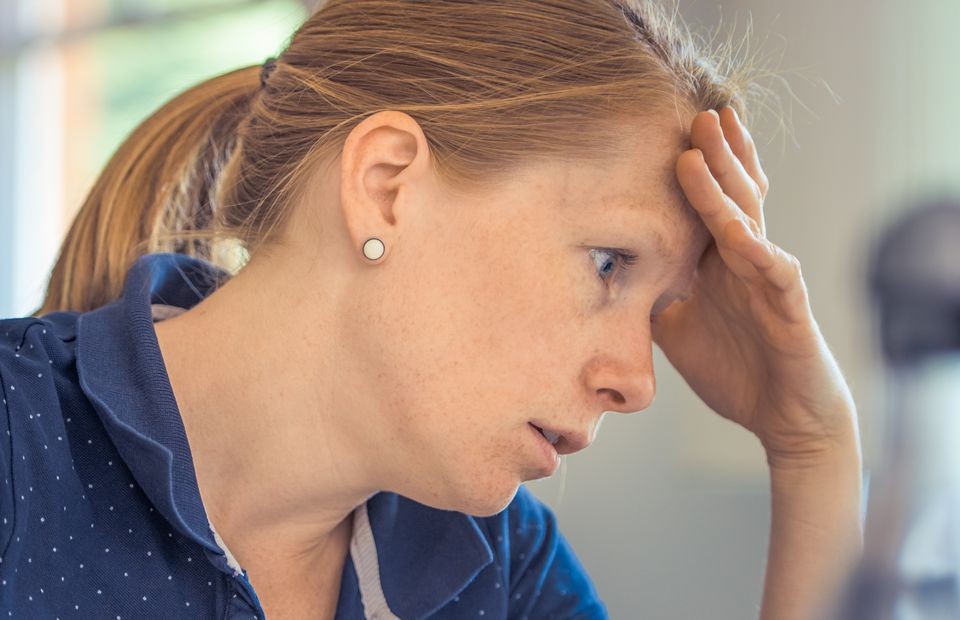
Give yourself sufficient time so you don’t have to rush.
If you really leave something to the last minute, you’ll be the under pressure to get it done. The tension and stress of that pressure leads to errors, as does the tendency to cut corners so you do meet your deadline. Be patient with yourself—it’s alright if it takes you longer than it takes someone else, or if it ends up taking longer than you thought. It’ll still take less time if you does it righteous the initial time as opposed to having to fix a bunch of errors after the fact. Sometimes it’s tough to figure out how much time you want to complete the task—especially if it’s something you’ve never done before. Just give it your best guesstimate, then multiply that amount of time by 1.5 to make certain.
Go over what you’ve done so you can correct any errors you might have made.
Whether it’s a household chore, a work project or a homework assignment, always review your work when you think you’re done. Motivating people offers you the opportunity to catch any errors and fix them before they cause huge issues. For example, if you’re penning a report, leave time to go through it proofread and carefully for any grammatical errors and typos. You might also have a buddy or family member look it over—a fresh set of eyes do catch a error you might miss.
Act mindfully rather than allowing your brain to drift.
If you keep your brain focused on the task at hand rather than permit it to wander off, you’ll often explore that a lot of those careless mistakes become a matter of the past. This can take certain practice, so begin tiny and work your manner up to bigger things. You’re most likely to make careless errors when you’re doing something you’ve done a thousand times that you don’t want to think about doing. As you’re not paying attention, it’s easier to miss something—but practice mindfulness do help.