

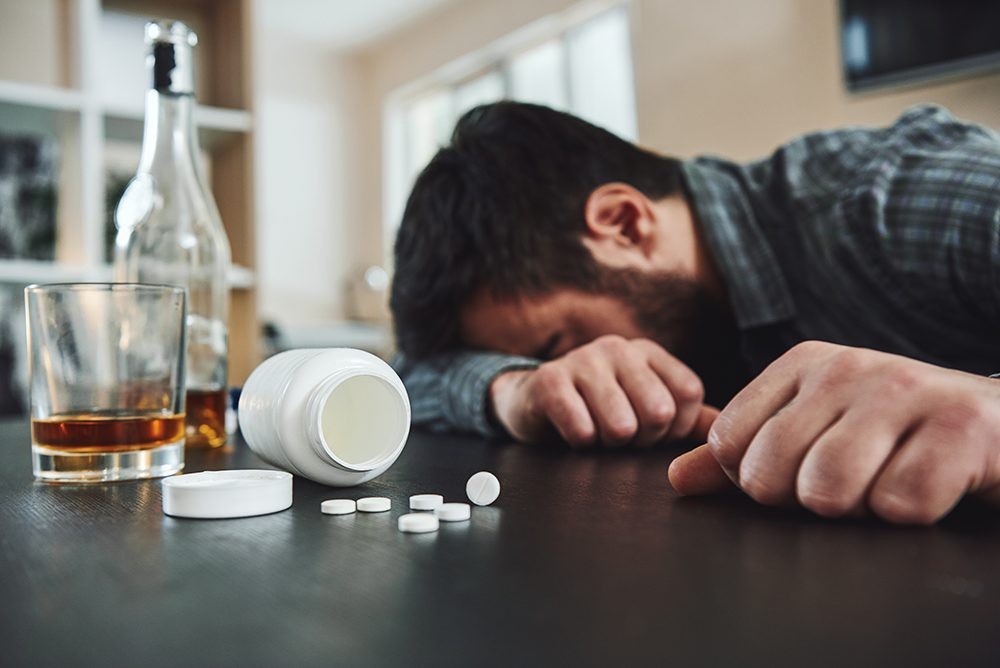
Drug addiction, also called substance use disorder, was the disease that affects a person’s behavior and brain and leads to the potential to control the usage of a legal or illegal medicine and drug. Substances like alcohol, marijuana and nicotine also were considered drugs. When you were addicted, you might continued usage the drug despite the harmed it causes.
The risk of addiction and how fast you become addicted vary by drug. Some drugs, such as opioid painkillers, having the higher risk and causing addiction much more quickly than others.
Helping from the health care provider, family, friends, support groups or an organized treatment program could support you overcome the drug addiction and stayed drug-free.
Symptoms
Drug addiction symptoms or behaviors include, among others:
- Felt that you had to usage the drug regularly — daily or even some times a day
- Having intense urges for the drug that blocked out any other thoughts
- Over time, need more of drug to get the similar effect
- Taking larger amounts of the drug over the long time period than you intended
- Making certain that you maintained the supply of the drug
- Spend out money on the drug, even though you could not afford it
- Not meeting obligations, or cut back on recreational and social activities because of drug usage.
- Continue to use the drug, even though you understand it’s causing problems in the life or causing you the physical or psychological harm
- Doing things to get the drug that you normally wouldn’t do like stealing
- Driving or doing another risky activity when you were under the drug influence.
- Spend out the good deal of time getting the drug, using the drug or recover from the drug effects.
- Failing in the attempts to stop usage the drug
- Experiencing withdrawal symptoms when you attempted to stop taken the drug
Recognizing unhealthy drug use in family members
Sometimes it’s tough to distinguish usual teenage moodiness or anxiety from signs of drugage use. Possible signs that the teenager or other family member was usage drugs include:
- Problems at school or work — frequently miss out school or work, the sudden disinterest in work and school activities, or a dropped in work and grades performance
- Physical health issues — lack of motivation and energy, red eyes, weight gain or loss
- Neglected appearance — lack of interest in looks, clothing, and grooming
Recognizing signs of drug use or intoxication
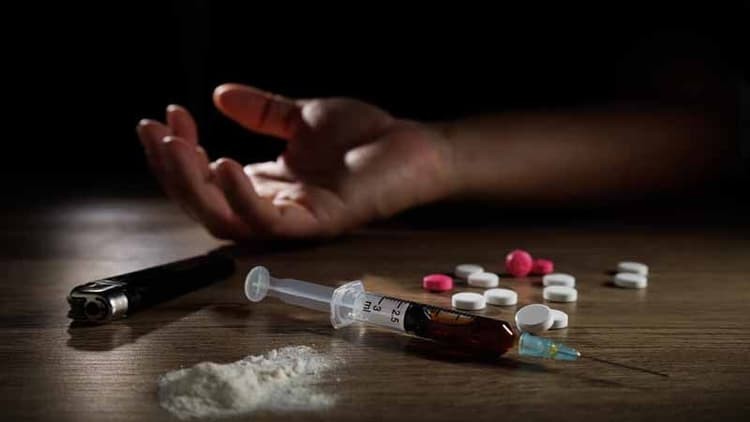
Signs and symptoms of drug usage or intoxication might vary, depend on the drug type. Below you would found several examples.
Marijuana, hashish and other cannabis-containing substances.
People using cannabis by smoking, eating or inhale the vaporized form of drug. Cannabis often precedes or was used along with another substances like alcohol or illegal drugs, and was often the foremost drug tried.
Signs and symptoms of recent usage could include:
- A sense of euphoria or feeling “high”
- A heightened sense of taste, visual, and auditory perception
- Increased heart rate and blood pressure
- Red eyes
- Dried mouth
- Decreased coordination
- Difficult concentrating or remembering
- Slow reaction time
- Paranoid and Anxiety thinking
- Cannabis odor on yellow fingertips and clothes
- Major cravings for some meals at unusual times
Longer-term use is often linked with:
- Decreased mental sharpness
- Poor performance at work or at school
- frequent lung infections and Ongoing cough
K2, Spice and bath salts
Two groups of synthetic drugs — synthetic cannabinoids and synthetic substituted or cathinones — were illegal in most states. The effects of these drugs could be dangerous and unpredictable, as there was no quality control and few ingredients might not be known.
Signs and symptoms of recent usage could include:
- A sense of euphoria or felt high
- Elevated mood
- An altered sense of auditory, visual, and taste perception
- Extreme agitation and anxiety
- Paranoia
- Hallucinations
- Increased heart rate and heart attack or blood pressure
- Vomiting
- Confusion
- Violent behavior