
As you might not noticed the build-up of plaque in the mouth that could lead to gingivitis, you must be aware of the symptoms of gingivitis and the later signs of periodontitis and gum disease which could follow.
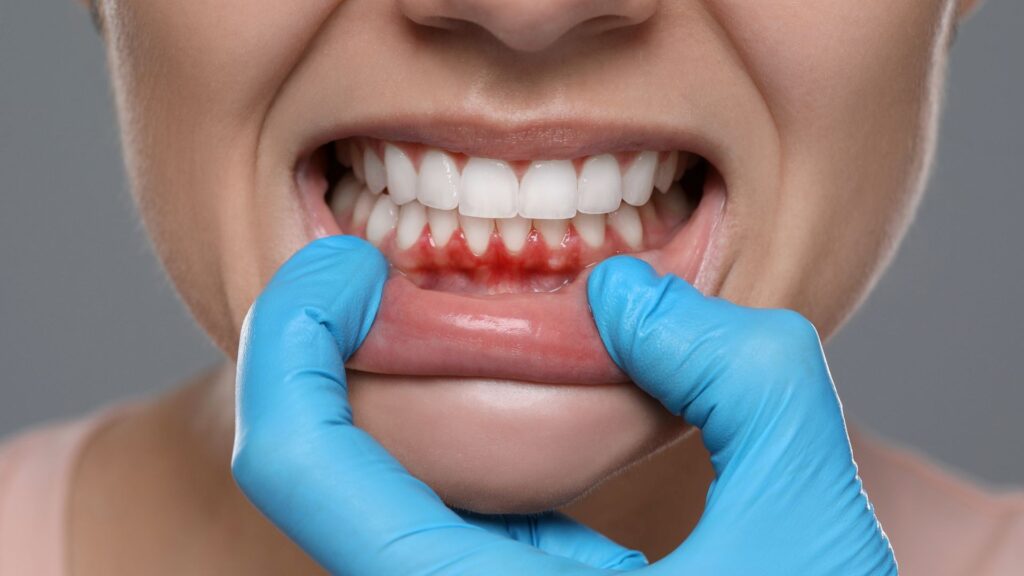
1. Bleeding Gums
One of the foremost signs of gingivitis was noticeably red gum inflammation and bleeding gums when you brush or floss the teeth.
2. Swollen Gums
If you noticed swollen gums around the teeth, the most likely cause was gingivitis. As plaque bacteria builds up in the mouth, it could often become stuck in and around the teeth which causes this visible and uncomfortable issue of swollen gums.
3. Bad Taste in Mouth or Bad Breath
If you experienced the bad breath which remained after using mouthwash or brushing the teeth, this was likely to be other gingivitis symptom. As plaque bacteria settles and breaking down on the teeth, the procedure produces unpleasant-smelling impacts.
4. Receding gums
As the symptoms of gum disease developed, the gums moving further away from the teeth. This might not be painful so it could go unnoticed. You must always visit the dental professional if you check out any visible signs of loosening gums to explore out about the receding gums treatment.
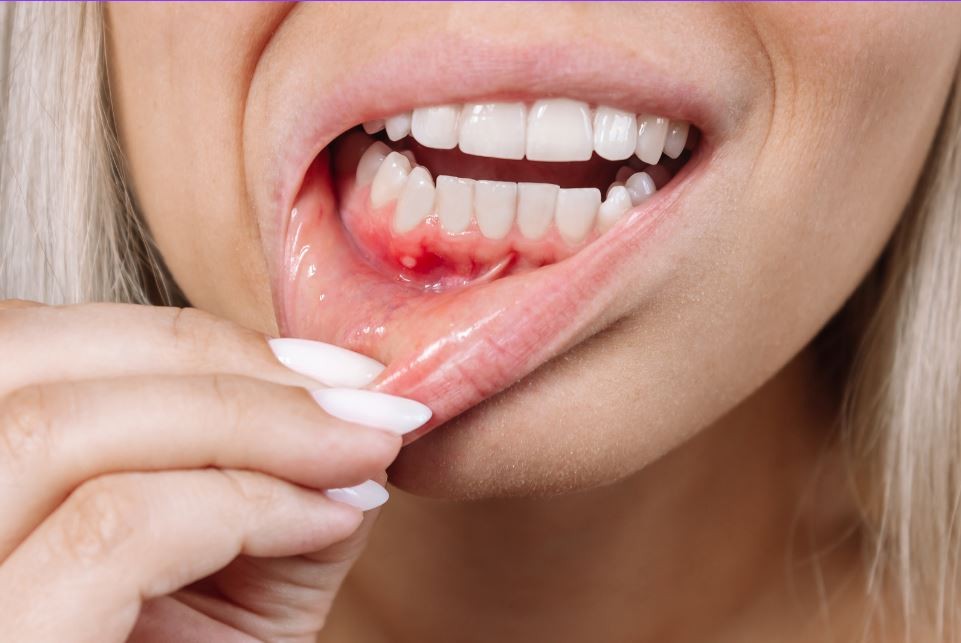
5. Deep Pockets between Teeth and Gums
The most advanced signs of gum disease were deepened pockets around the gums becoming filled with bacteria as they pulled away from the teeth. If this happens you would likely be deal with periodontitis which could weakened the bone supporting the teeth. You must be certain never to ignore any gum disease symptoms outlined and if you do noticed one, visit the dental professional immediately for the full check-up and certains you stopped gum disease from developing.
WHAT CAUSES GUM DISEASE AND GINGIVITIS?
1. Poor Dental Hygiene
Brushened the teeth twice the day with the antibacterial toothbrush, flossing, and utilizing the antibacterial mouthwash were all suggested by the dental professionals to stop the construct-up of plaque. The sticky and yellow deposited of bacteria referred to as plaque, construct up on the teeth if you did not brushened regularly. As plaque produces acids attacking the teeth’s enamel and damaged the gums, poor dental hygiene was the gingivitis primary cause of.
2. Age
As you age, changes in the body like producing less saliva were common gingivitis causes and periodontal disease was most prevalent among old people.
3. Genetic
When trying to work out what causes gingivitis, dental professionals might inquired about the family’s health history. This was as the parents having gingivitis increases the chance of develope gum disease, due to the kind of bacteria we acquired at an younger age.
4. Medical Conditions
If you experienced chronic gingivitis, other cause of bleeding gums and swollen could be secondary medical conditions like fungal and viral infections. Medication to higher blood pressure, epilepsy, and angina could also increased the risk of gingivitis, so inform the dentist if you were prescribed such treatments.
Common Symptoms
Many patients does not experience pain in the earlier stages, making these warning signs critical:
• Bleeding Gums: Especially when flossing and brushing.
• Red or Swollen Gums: Healthy gums must be light pink and firm.
• Persistent Bad Breath: Chronic halitosis that did not improving after brushing.
• Gum Recession: Gums pulling away, makes teeth look longer way.
• Loose or Shifting Teeth: Changes in the how its teeth fit out together when you bite.
• Pus: Discharge between the gums and teeth.
Treatment Options
Treatment aims to control the infection and encouraged gum reattachment.
Non-Surgical Treatments
• Professional Cleaning: Standard cleaning to gingivitis.
• Antibiotic Therapy: oral pills to topical gels to targeting bacteria growthened.
Surgical Treatments (for Advanced Cases)
• Flap Surgery: Gums were lifted back to cleaner deepened tartar deposits and then sutured back in the place.
• Bone and Tissue Grafts: Replaced lost gum to bone tissue to stabilize teeth.
• Guided Tissue Regeneration (GTR): Usage a membrane to encouraging bone regrowth.
• Laser Therapy (LANAP): A minimally invasive process to eliminate diseased bacteria and tissue with the lasers.