
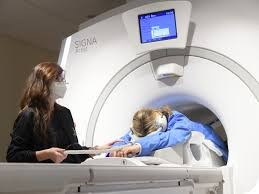
Breast cancer was one of the most usual cancers that affects women. It happened when cancerous cells in the breasts multiply and become tumors. About 80% of breast cancer cases were invasive, meaning a tumor might spread from the breast to other zones of the body.
What are breast cancer symptoms?
But when it does, symptoms might include:
• A change in the size, shape or contour of the breast.
• A mass or lump, which might felt as tiny as a pea.
• A lump or thickening in or closeby the breast or in the underarm that persisted through the menstrual cycle.
• A marble-like hardened zone under the skin.
• A blood-stained or clear fluid discharge from the nipple.
What causes breast cancer?
• Age: Being 55 or older.
• Sex: Women were much more likely to create the condition than men.
• Family history: If the parents, siblings, kids or other close relatives having breast cancer, you were at risk of disease developing.
• Smoking: Tobacco use had been connected to numerous different types of cancer, including breast cancer.
• Drinking beverages contain alcohol: Study shows that drinking beverages carry alcohol might increase breast cancer risk.
• Having obesity.
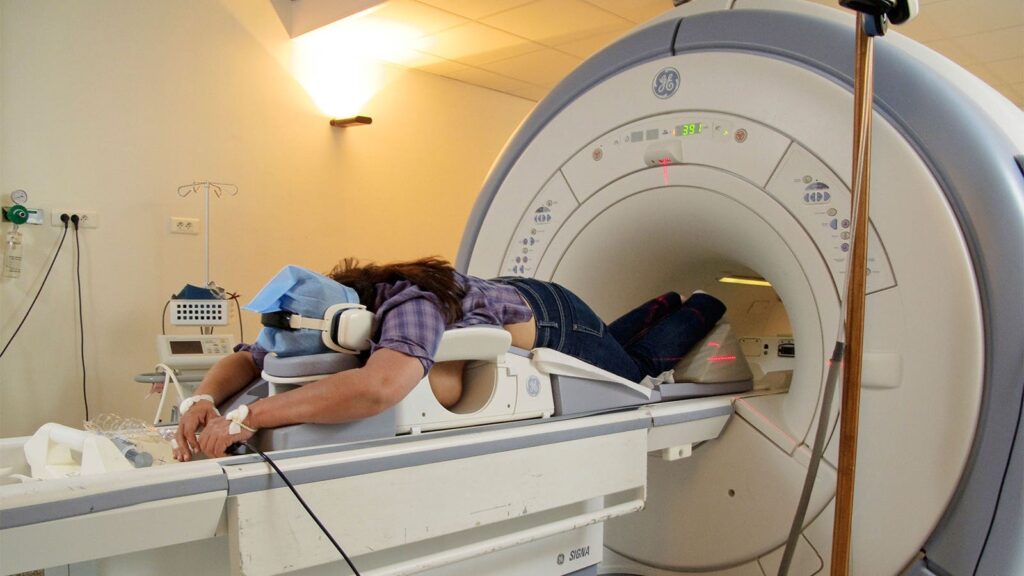
How is breast cancer diagnosed?
Healthcare providers might do physical examinations or ordered mammograms to check up for signs of breast cancer. But they do the following tests to diagnosed the disease:
• Breast ultrasound.
• Breast magnetic resonance imaging (MRI) scan.
• Breast biopsy.
• Immunohistochemistry test to check out for hormone receptors.
• Genetic tests to identify mutations that causes breast cancer.
Stages of breast cancer
• Stage 0: The disease was noninvasive, meaning it had not spread from the breast ducts to other chunks of the breast.
• Stage I: There were cancerous cells in closeby breast tissue.
• Stage III: There’s breast cancer in closeby lymph and tissue nodes. Stage III is normally referred to the locally advanced breast cancer.
• Stage IV: Cancer had spreaded from the breast to zones like the bones, liver, lungs or mind.
How was breast cancer treated?
Surgery was the primary breast cancer treatment, but healthcare providers might usage of other treatments. Breast cancer surgeries involved:
• Mastectomy.
• Lumpectomy.
• Breast reconstruction.
Providers might combined surgery with one or much more of the following treatments:
• Chemotherapy.
• Radiation therapy, including intraoperative radiation therapy (IORT).
• Immunotherapy.
• Hormone therapy, including selective estrogen receptor modulator (SERM) therapy.
• Targeted therapy.
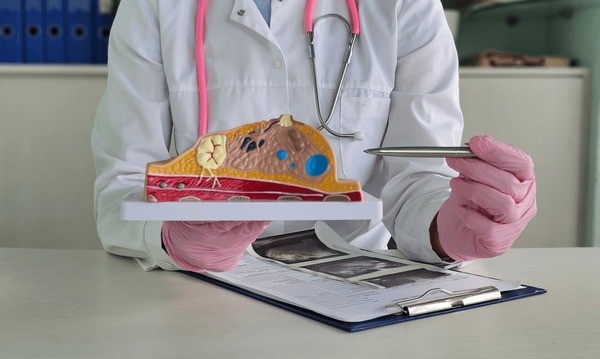
Complications of breast cancer surgery.
If you were having breast cancer surgery, asking the healthcare provider to explained potential complications, which might include:
• At the surgical site- Infection.
• Blood clots that could happened after surgery.
• Nerve damaged.
• Lymphedema.
What was the survival rate for breast cancer?
The institute organized breast cancer survival rates by stages:
• Local: Cancer had not spreaded outside the breast.
• Regional: Cancer had spread to closeby lymph tissue or nodes.
• Distant: Cancer was in more distant zones of the body like the lungs or liver.
How could I lessened my risk?
There’s no certained manner to lessen breast cancer risk, but the American Cancer Society had the best advice for all females:
• Get to and stayed at the healthy weight: This was the weight that’s right for you. Asking the healthcare provider for info. on set up healthier weight management.
• Get screened: Mammograms often detected tumors when they’re too tiny to be felt.
• Do regular self-exams: Examine the breasts regular supports to maintain breast health and might permit you to explore breast cancer tumors.
Some women had the increased risk for breast cancer as family members have it or they inherited the genetic mutation. If that’s the situation, you might need to consider the following:
• Genetic screening for the breast cancer genes.
• Medication that might lesser breast cancer risk like aromatase inhibitors, tamoxifen, and raloxifene.
• Prophylactic (preventive) mastectomy.