

As simple as that, Ayurveda mainly aim on natural healing, balance, and prevention. It addresses the basic cause of disease with the support of herbs, diet, lifestyle modification, yoga, and therapies. It balances the full individual body, spirit and mind.
Allopathy (modern medicine) was about alleviating symptoms and provided rapid relief. It prescribed to usage drugs, technology and opt surgery to provide instant results, particular in cases of the emergency. Ayurveda treating thoroughly and slowly, whereas modern medicine treated alleviated symptoms and fast.
Seven Reasons Why Ayurveda was Relevant Today
1. Root-Cause Healing
Ayurveda addressed the root cause of disease rather than its symptoms. It was one of major reasons why Ayurveda was relevant today. Ayurveda examines every humans individual constitution (Prakriti) or body treats and types imbalances at the root cause, but on the other side, modern medicine frequently depend on the fast relief. Ayurveda certain longer-lasting healing.
2. Health Care Prevention
The aim to Ayurveda and preventive healthcare was especially significant in an era when lifestyle disorders were on rise. Ayurveda promoted Dinacharya and seasonal practices (Ritucharya) to maintained the healthier, balanced body rather than waiting to diseases to appear. Herbal kadha, detox treatments, and oil massage were examples of preventive practices that increased tolerance and lessened the requirement to usual medical intervention.
3. Natural Immunity Boosting
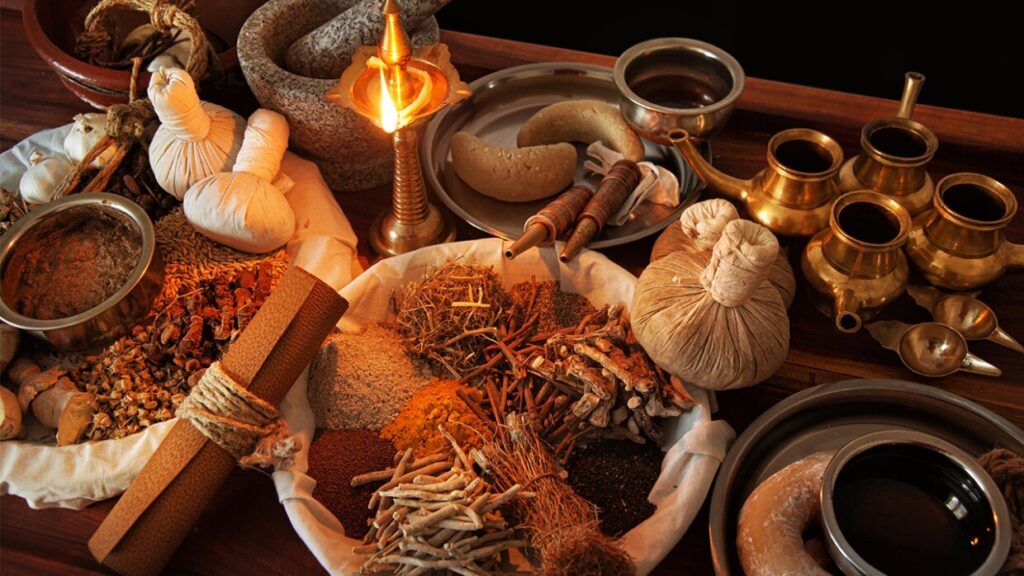
Immunity frequently decreases due to stressful lifestyles, pollution, and changed surroundings. In recent time, Ayurveda for immunity boosting had increased. Natural defences were strengthened by easier remedies such as tulsi tea, ashwagandha, turmeric milk, and chyawanprash. Ayurvedic medicines, in contrast to commercial supplementing, energy levels and boosting vitality in add on to immunity.
4. Mental Health and Stress Reduction
The contemporary lifestyle was the endless source of continuous exposure, anxiety, and overwork to the digital globe, so Ayurveda to stress relief was incredibly beneficial. Techniques such as Pranayama, Shirodhara (head oil therapy), and meditation support to relaxed the nervous system. Herbs that were proven to increase the mental clarity and low stress levels involve Jatamansi and Brahmi. Ayurveda fostering emotional stability and longer-term resilience rather than just lower the stress.
5. Complementary Role with Modern Medicine
The integration of modern and Ayurveda medicine was gaining attention.. Ayurveda offered natural therapies and lifestyle changes to chronic conditions such as hypertension, diabetes, and arthritis, while modern medicine provided immediate treatment when required. When blended, they provided the well-round route to wellbeing. Ayurvedic treatments were increasingly utilized in numerous hospitals for rehabilitation and recuperation, demonstrated the complementary value.
6. Ayurvedic Diet for Wellness
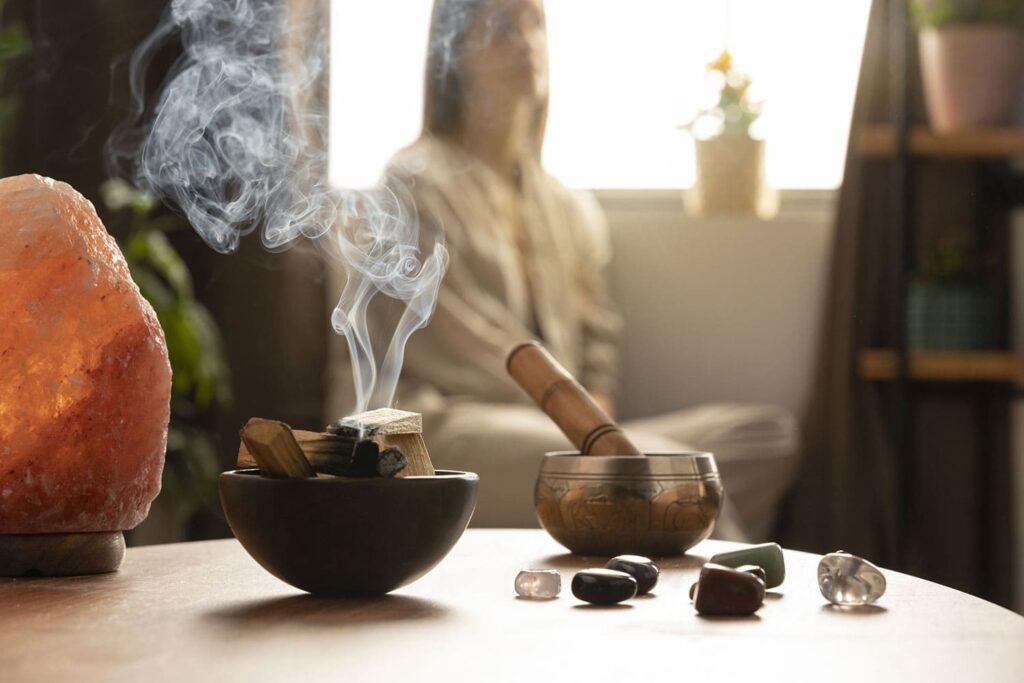
Since Ayurveda viewed meal as the medicine, the Ayurvedic diet to wellness was extremely relevant in modern world of unhealthy eating patterns and processed foods. Fresh, in-season, and easy way digestible meals that complemented the people body type were the mainstays of Ayurvedic diet. This method lessen improving digestion, lifestyle diseases, and increases energy. Longer-lasting health advantages could be achieved by following usual guidelines such as mindful eating, ignoring balancing and overeating all six tastes.
7. Holistic Health Benefits
Its holistic approach to health was arguably the most significant factor in the debate over why Ayurveda was still relevant today. It targeted spiritual, mental, and emotional well-being in addition to a physical body. Better sleep, regulated hormones, better digestion, increased mental balance and good skin were among Ayurvedic lifestyle benefits. People discover harmony in each aspect of life by utilizing natural healing through the Ayurveda.
Conclusion
Build up the healthier future needed the knowledge of why Ayurveda was relevant today. The relevance of the Ayurveda in modern life was that it could address not only physical disorders but also mental and emotional disorders. Ayurveda provided the route to longer-term wellness with its emphasis on lifestyle, prevention, and balance modification.
People might achieved balance of body, mind, and spirit through Ayurveda to holistic health, as well as improving general energy, immunity, and stress reduction. Natural healing through Ayurveda enabled persons to treat up the underlying cause of a disease rather than only treated up its symptoms, which makes it the practical and viable strategy to contemporary life.