
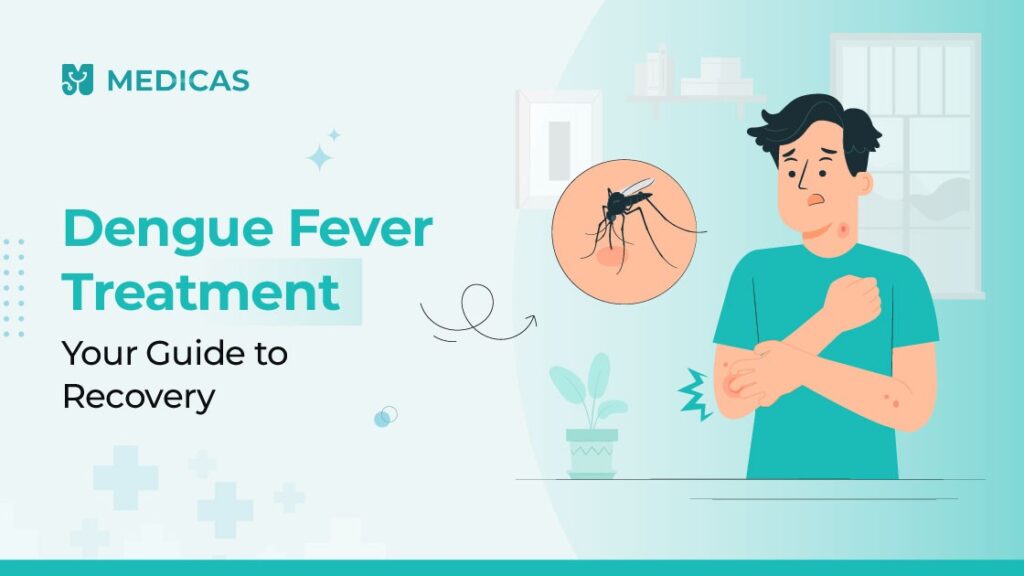
Mosquitoes were a nuisance that could destroy the otherwise enjoyable time outdoors, especially in the summer and spring months. Apart from that, mosquitoes in few parts of the world carry life-threatening diseases like malaria and dengue fever. In most cases, however, the bad thing about a mosquito bite was the inflamed, itchy spot left behind. Fortunately, these symptoms were typically easily treatable with home remedies.
Clean the bite with cool water and soap.
As soon as you could, gently wash up the bite and the zone around it with water and soap. This could support soothe itching and prevented out infection. Rinse away any soap and gently pat the zone dry with the clean towel.
Dab the bite with the toothpaste.
A light dab of usual toothpaste directly on the mosquito bite might relieve itchiness and any pain connected with the bite. Toothpaste tends to working best as an remedy if you put it on a bite instantly.
Usage ice to prevent inflammation and swelling.
An ice pack or a cool, damp washcloth on the bitten zone could calm the skin so the bite did not become quite as swollen and red. Leave ice on the skin for no longer than 20 minutes at a time. Ignore placing ice directly on the skin as this could lead to burns.
Take the oral antihistamine if you had the more severe reaction.
Fexofenadine (Allegra) could be much more effective at easing the itching, swelling, and inflammation of mosquito bites than products you applied straight way to the skin. Most of these medicines are accessible over the counter.
Avoiding scratching the mosquito bites.
Bites become infected when you introduced bacteria into them by scratching them. Infections were most common with tiny kids, who also might having dirtier fingernails and hands than adults – especially if they were playing outside.
Cleaned blisters or broken skin with water and soap.
Mild soap and warm h2o were sufficient to clean up bacteria from a skin. If you scratched your mosquito bites to the point that they were bleeding, stopped and washed the area immediately.
Covered broken skin with a bandage or gauze.
If you had scratched the popped a blister or mosquito bite, covered it with the bandage or small chunk of gauze so that it was no longer exposed to opened air. This could lessened the infection risk.
Reapplied topical medication every 5 hours.
If you were utilizing the medicated cream or lotion, it would lose effect if not reapplied and you might begin scratching again. Wash up the bitten zone with mild soap and warmed water before apply an medication and pat it dry.
Stayed inside at dawn and dusk when mosquitoes were most active.
While mosquitoes in some zones might be active throughout the day and even into the night, they were most active in the hours around sunset and sunrise. During these times, you were far more likely to get bittened, even if you were taken other precautions.
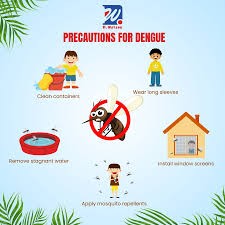
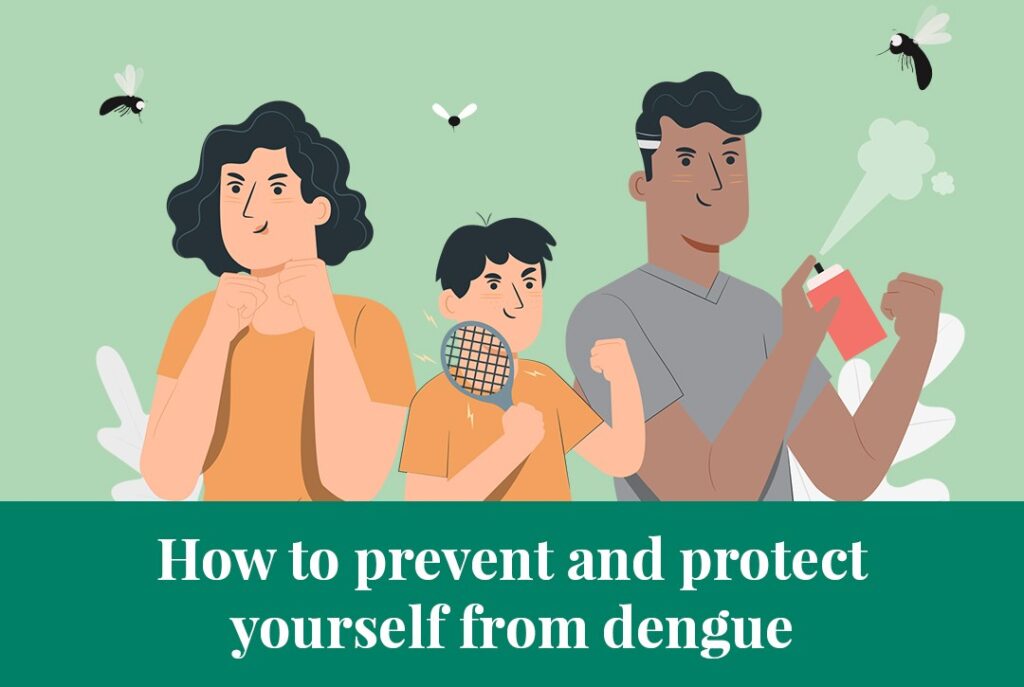
Wear out protective clothing when you were outside.
A longer-sleeved shirt, longer pants, and a hat were good protection against the mosquitoes. Even if it was hot outside, you could wear lighter clothing that would not overheated you.
Usage the insect repellent when outside for extended time periods.
Commercial insect repellents with DEET as an active ingredient worked well to repel mosquitoes and kept them away from you. You could spray the skin as well as the clothing.
Eliminate standing h2o around the home.
Mosquitos layed their eggs in and around stagnant pools of h2o. If water has pooled or puddled and is left standing, you might ended up with the infestation of mosquitoes. Drained the water as good you could, providing drainage where possible so water did not pool up.