

It is a blood disorder that happened when you did not have sufficient red blood cells or the red blood cells did not work as they must. Some types of anemia were inherited, but people might also acquired or developed the condition during their lifetimes.
What are the anaemia symptoms?
Fatigue — feeling too tired to manage the activities — is the noticeable anaemia symptom. Other symptoms might include:
• Chest pain.
• Dizziness.
• Frequent infections.
• Heart palpitations.
• Headache.
• Pallor (skin color that’s paler than normal).
• Pulsatile tinnitus.
• breath Shortness (dyspnea).
What causes anaemia?
Numerous things could cause it. For example, iron-deficiency anaemia was the most usual kind of anaemia. You could developing this type if you did not getting sufficient iron from the meal you eat, or if you loose blood from the injury or illness. Healthcare providers classify anaemia as being inherited or acquired.
You would developed anaemia if you had few chronic diseases. Anaemia might be the symptom or complication of the following:
• Autoimmune diseases.
• Cancer.
• Inflammatory bowel disease (IBD).
• Kidney disease.
• Liver disease.
• Thyroid disease.
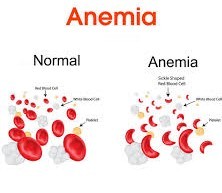
Inherited anaemias
This anaemia is when you were born with the condition. Inherited anaemias involves:
• Diamond-Blackfan anaemia: This inherited disorder kept the bone marrow from making sufficient red blood cells.
• Fanconi anaemia: This was a rare blood disorder. People with Fanconi anaemia had an increased risk of blood disorders, including anaemia.
• Thalassemia: In this one, the body produces lesser hemoglobin, results in tiny red blood cells and anaemia.
Other anaemia types
Some types of anaemia might be inherit but could also be acquired:
• Aplastic anaemia: This one happens when stem cells in bone marrow did not make out enough blood cells.
• Hemolytic anaemia: In this one, the red blood cells breaked down or die faster than normal.
• Sideroblastic anaemia: This anaemia results from abnormal iron using during red blood cell development.
Diagnosis and Tests
How is anaemia diagnosed?
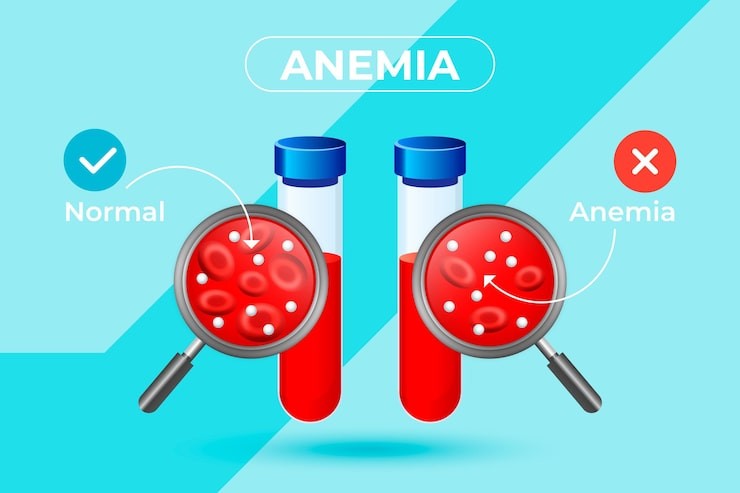
Your healthcare provider would ask questions about the symptoms. As anaemia happens when you did not have sufficient healthier red blood cells, they would do the blood tests, including:
• Hemoglobin test: It is the major component of red blood cells. The test was often utilized to detect up anaemia.
• Hematocrit test: This test measured the red blood cells percentage in a blood.
• Peripheral blood smear: Healthcare providers examined the red blood cells under a microscope to assess blood cell shape and size.
• Reticulocyte count: These were immature red blood cells. This test checks if the bone marrow is producing enough healthier red blood cells.
What are the complications of anaemia?
Chronic anemia could causes serious medical issues such as organ damage, heart attack, and heart failure. This one is anaemia that healthcare providers did not diagnosed and treating or that continue despite treatment.
Management and Treatment
How is anemia treated?
Your treatment would vary depended on the cause. If you have anemia as you had the underlying condition, your provider would treat that condition. But they might also do the following treatments specifically for anaemia. Treatments might include dietary medications or supplements.
Dietary supplements
Your provider might suggesting the following supplements to anaemia:
• Iron supplements: This one comes up in capsules or tablets that you could taken by mouth with a glass of H2o.
• Vitamin B12 supplements: It supplemented support to the production of healthier red blood cells.
Medications
Providers might prescribed medications for anaemia, including:
• Erythropoietin: This medication supports the bone marrow to producing much more blood stem cells.
Procedures
In certain cases, your provider might recommended:
• Blood transfusion to replaced red blood cells.
• Stem cell (bone marrow) transplant to replaced unhealthy blood stem cells with healthier ones.
• Surgery to treat internal bleeding that’s causes anaemia.