
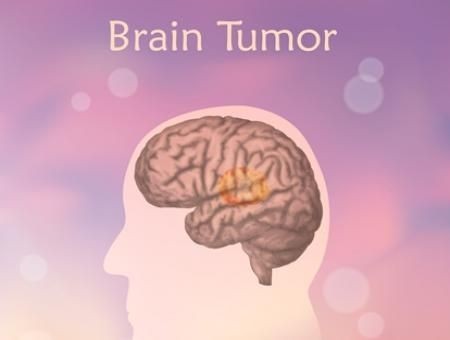
Brain tumors could be malignant (cancerous) or benign (noncancerous) and could affect kids and adults. But whether they were cancerous or not, brain tumors could impact the brain function if they growing huger enough to presses on surrounding tissues. There were some treatment alternatives to brain tumors.
Common Symptoms (Adults & Children)
• Headaches: Frequent, severe, often worse in the early morning or waking you up.
• Neurological Changes: dizziness, balance problems, Seizures, weakness and numbness.
• Cognitive/Behavioral Changes: anxiety, personality shifts, difficulty concentrating, confusion, depression, Memory loss.
• Speech/Language Issues: difficulty understanding, Trouble finding words, and slurred speech.
• Vision Problems: loss of peripheral vision, Blurry vision, and double vision.
• Other: changes in smell/taste, swallowing issues, Nausea/vomiting (especially early morning), extremely fatigue.
Diagnosis
1. Neurological Exam: Tests vision, hearing, balance, coordination, reflexes, and mental status.
2. Imaging: MRI or CT scans served detailed brain images to located the type, tumor, and its size.
3. Biopsy: A tissue sample (biopsy) was often required to definitive diagnosis.
4. Other Tests: Blood tests, lumbar puncture (spinal tap) might also be utilized.
Treatment Approaches
• Surgery: To removed as much of the tumor as safe way possible.
• Radiation Therapy: High-energy rays to killed tumor cells.
• Chemotherapy: Anti-cancer drugs.
• Targeted Therapy/Immunotherapy: Newer treatments that targeted particular tumor features.
• Medications: Steroids (like dexamethasone) to lessen swelling; anticonvulsants for seizures.
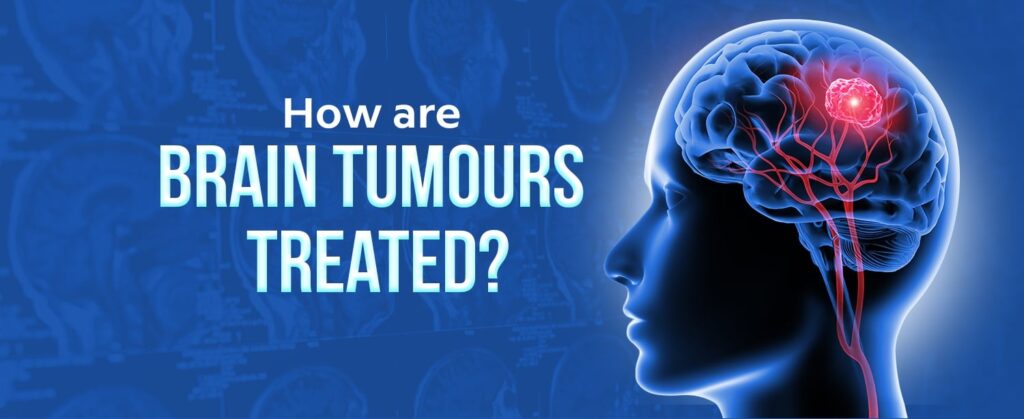
Key Differences for kids
• Symptoms such as vomiting or headaches might be mistaken for another childhood illnesses, but persistent morning sickness was a red flag.
• Pediatric treatment involved specialized teams, including neurosurgeons and pediatric oncologists, to tailor care for growing brains and bodies.
Brain tumors — whether cancerous or not — could cause sincere problems. This is as the skull is rigid and do not provide room to the tumor to expand. Also, if a tumor develops near chunk of the brain that controlled vital functions, it might causing symptoms like:
• Weakness.
• Difficulty walking.
• Problems with the balance.
• Partial or full loss of vision.
• Difficulty understanding or using language.
• Memory issues.
Brain tumors could cause problems by:
• Directly invading and destroy the healthy brain tissue.
• Putting pressure on closeby tissue.
• Increasing pressure within the skull (intracranial pressure).
• Causing fluid to construct up in the brain.
• Block the normal flow of cerebrospinal fluid (CSF) through the spaces within the brain, causing those spaces to enlarge.
• Causing bleeding in the brain.
However, some persons having brain tumors that not cause symptoms or growing huge enough to compressed surrounding tissues. Some persons who have the brain tumor experience no symptoms, especially if it’s pretty tiny.
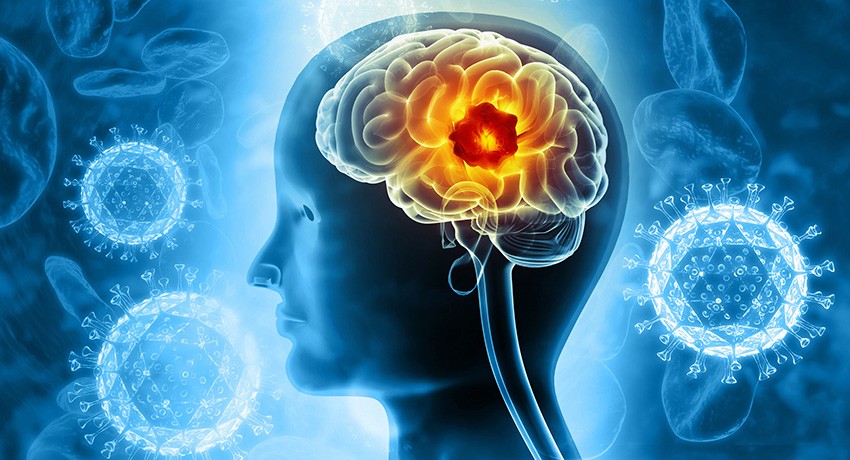
Signs and symptoms of brain tumor vary depending on the tumor’s type, location, and size. They could include:
• Seizures.
• understanding language, Difficulty thinking, and speaking.
• Personality changes.
• Weakness or paralysis in one chunk or one side of the body.
• Balance dizziness or problems.
• Vision issues.
• Hearing issues.
• Facial tingling or numbness.
• vomiting or Nausea.
• disorientation or Confusion.
It’s significant to check the healthcare provider if you were experiencing the symptoms.
What causes brain tumors?
In other cases, the environmental injury to the genes might be the only cause.
There were the few rare, inherited (pass down from parent to kid) genetic syndromes that were connected with brain tumors, including:
• Neurofibromatosis type 1 (NF1 gene).
• Neurofibromatosis type 2 (NF2 gene).
• Turcot syndrome (APC gene).
• Gorlin syndrome (PTCH gene).
• Tuberous sclerosis complex (TSC1 and TSC2 genes).
• Li-Fraumeni syndrome (TP53 gene).
Only about 5% to 10% of persons with brain tumors having the family history of the brain tumor.
How are brain tumors diagnosed?
If you were experiencing symptoms of the brain tumor, the healthcare provider would performed a physical exam. They would also asked questions about your:
• Symptoms.
• Past and current healthier conditions.
• Current medications.
• Surgeries and medical treatments.
• Family medical history.
They may also performed a neurological exam, which involves looking for changes in the:
• coordination and Balance.
• Mental status.
• Hearing.
• Vision.
• Reflexes.
These changes could point to the chunk of the brain that might be affected by the tumor.