
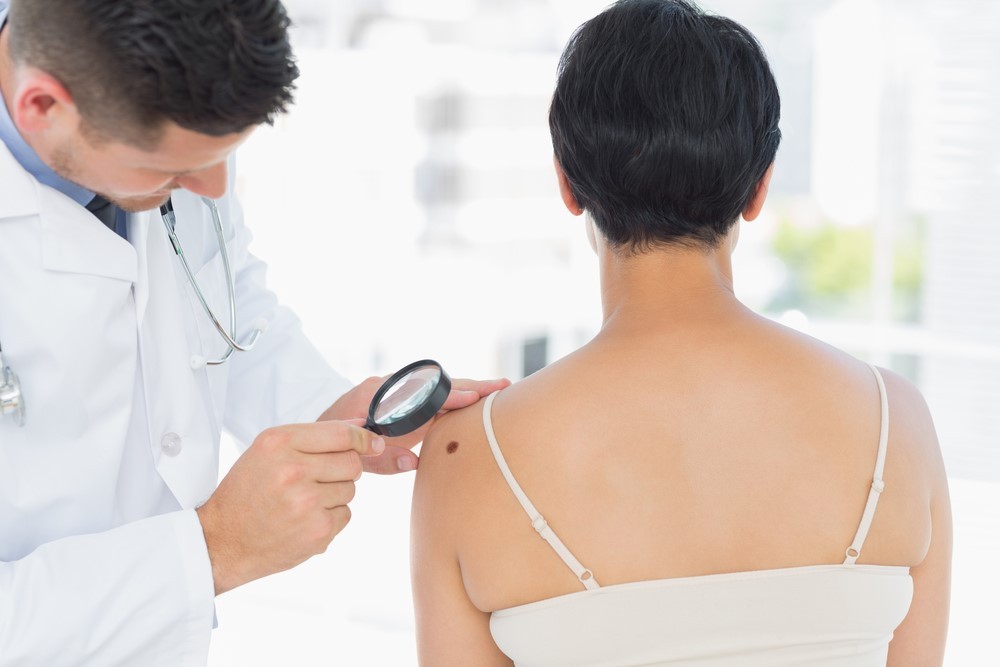
Signs and symptoms of skin cancer include:
• A new growth on a skin that might look like the mole, the bump or the scab.
• A blur patch on skin.
• A sore on skin that would not heal.
• Changes to the mole or freckle like getting bigger or changed color.
• Itchy skin around the skin growth.
• Pain around the skin growth.
Risk factors
Factors that might increase the risk of the skin cancer include:
• Lighting from the sun. Ultraviolet light from the sun increases the skin cancer risk. Covered the skin with clothes or sunblock could support lowering the risk.
• Lighting from the tanning beds. People who use indoor tanning beds having the increased risk of skin cancer. The lights utilized in tanning beds giving off harmful ultraviolet light.
• A skin cancer history. People who have had skin cancer once were much more likely to getting it again.
• A family tree history of the skin cancer. If the blood relative, such as the parent or sibling, having skin cancer, you might be more likely to get on the skin cancer.
Prevention
Most skin cancers could be prevented by protect out yourself from sun. To lower the risk of skin cancer you could:
• Stay out of sun during a middle of the day. For much of North America, the sun’s rays were strongest between about 10 a.m. and 3 p.m. Planning outdoor activities at another times of the day. When outside, stay in the shade as early as possible.
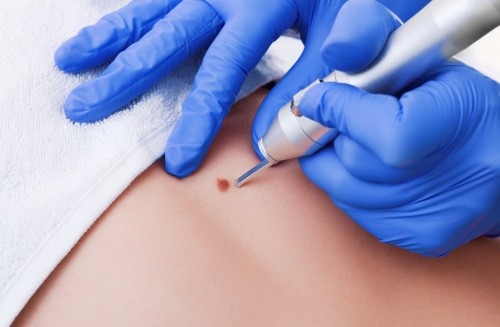
Check the skin often and reported changes to the healthcare team. Look at the skin often to new growths.
• A new mole. Or the mole that changes in color size, shape, or that bleeds.
• A waxy or pearly bump on the face, neck or ears.
• A flat, pink/red- or brown-colored patched or bump.
• Areas on the skin that looks like scars.
• Sores that looking crusty, having the depression in a middle or bleed often.
• A wound or sore that would not heal, or that heals but coming back again.
• A rough, scaly lesion that might itch, become crusty and bleed.
Skin cancer looks pretty differ depend on what kind of skin cancer you had. Thinking of ABCDE rule told you what signs to watching for:
• Asymmetry: Irregular shape.
• Border: irregularly or Blurry shaped edges.
• Color: Mole with more than 1 color.
• Diameter: Huger than the pencil eraser (6 millimeters).
• Evolution: Enlarging, changing in shape, size or color. (This is the most significant sign.)
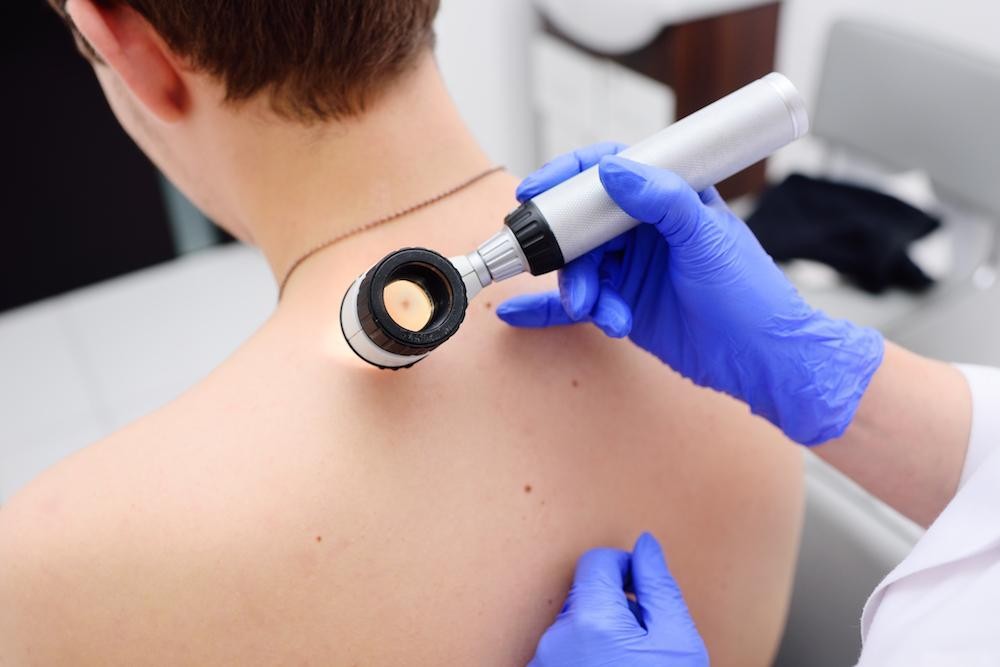
Although anyone could develop skin cancer, you were at increased risk if you:
• Spending the considerable amount of time working or playing in a sun.
• Getting easily sunburned or having the history of sunburns.
• Living in the sunny or higher-altitude climate.
• Tan or usage tanning beds.
• Having light-colored eyes, blond or red hair and fair or the freckling skin.
• Have numerous moles or irregular shaped moles.
• Having actinic keratosis
• Having the family history of skin cancer.
• Having had the organ transplant.
• Taking medications that suppressed or weakened the immune system.
• Had been exposed to UV light therapy to treating skin conditions like psoriasis and eczema.
Complications
• Bleeding.
• Swelling and Pain.
• Scars.
• Nerve damaged that result in loss of feeling.
• Skin infection.
• Regrowth of the tumor after it has been removed.
Making the appointment to check out the healthcare provider or dermatologist as soon as you noticed:
• Any changes to the skin or changes in a size, shape or color of existing moles or another skin lesions.
• The appearance of the newest growth on the skin.
• A sore that did not heal.
• Spots on the skin that were different from others.
• Any spots that changed, bleeding or itch.