
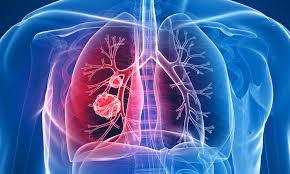
Lung cancer is the kind of cancer that starting as the growth of cells in lungs. The lungs were two spongy organs in chest that controls breathing. People who smoked having the best risk of lung cancer. The risk of lung cancer increases with a length of time and number of cigarettes were smoking.
Symptoms
Lung cancer typically doesn’t cause symptoms earlier on. Symptoms of lung cancer usually happen when the disease was advanced.
Signs and symptoms of lung cancer that happenned in and around the lungs might include:
- A new cough that did not go away.
- Chest pain.
- Coughing up blood, even the tiny amount.
- Hoarseness.
- Shortness of breath.
- Wheezing.
Signs and symptoms that happened when lung cancer spreads to another chunk of the body might include:
- Bone pain.
- Headache.
- Losing weight without trying.
- Loss of appetite.
- Swelling in the neck or face.
Risk Factors
A number of factors might increases the risk of lung cancer. Some risk factors could be controlled, for instance, by quitting smoking. Other factors could not be controlled, such as the family history.
Risk factors for lung cancer include:
Smoking
Your risk of lung cancer increases with the number of cigarettes you smoked each day. Your risk also increases with number of years you had smoked. Quitting at any age could significantly lower the risk of developing lung cancer.
Exposure to secondhand smoke
Even if you do not smoke, the risk of lung cancer increases if you were around people who were smoking. Breathing the smoke in the air from other persons who are smoking is signify as secondhand smoke.
Previous radiation therapy
If you had radiation therapy to the chest for other type of cancer, you might having an increased risk of develop lung cancer.
Exposure to radon gas
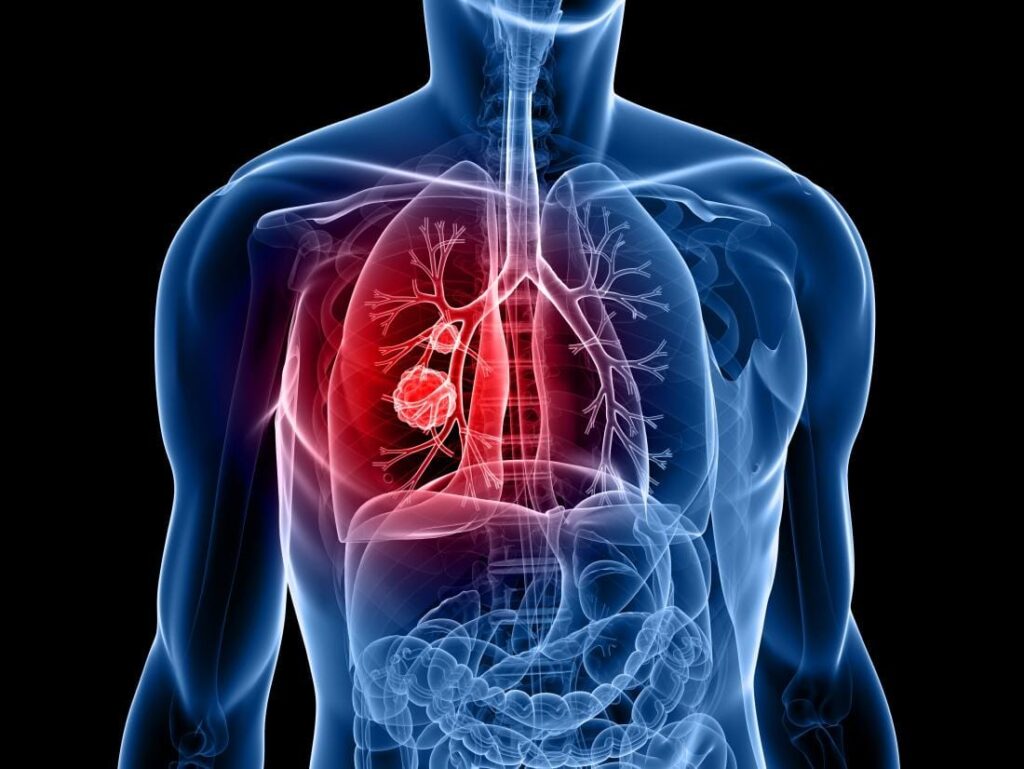
Radon was produced by natural breakdown of uranium in water, soil, and rock. Radon eventually becomes chunk of the air you breathe. Unsafe levels of radon could build out in any building, including houses.
Exposure to cancer-causing substances
Workplace exposure to the cancer-causing substances, known as carcinogens, could increase the risk of developing lung cancer. The risk might be higher if you smoke. Carcinogens connected to lung cancer risk include arsenic, asbestos, nickel and chromium.
Family history of lung cancer
People with the parent, sibling or child with the lung cancer had the increased risk of a disease.
Complications
Lung cancer could cause complications like:
Shortness of breath
Persons with lung cancer could experience shortness of breath if cancer grows to block a major airways.
Coughing up blood
Lung cancer could causing bleeding in a airway. This could cause you to cough up blood. Sometimes bleeding could become severe. Treatments were accessible to control out bleeding.
Pain
Advanced lung cancer that spreads could cause pain. It might spread to the lining of a lung or to another zone of the body, such as the bone. Telling the healthcare professional if you experienced pain. Many treatments are accessible to control out pain. Cancer that spreads to another chunks of the body.
Lung cancer often spreading to another parts of a body. Lung cancer might spread to the bones and the brain.
Prevention
There’s no certain manner to prevent lung cancer, but you could lessen your risk if you:
Dont smoke
Stop smoking now. Quitting lessens the risk of lung cancer, even if you had smoked for years. Talking to the healthcare team about aids and strategies that could support you quit. Options involved support groups, nicotine replacement products, and medicines.
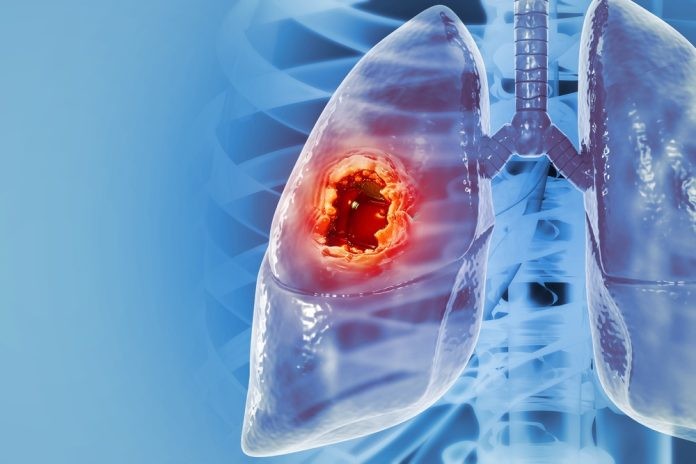
Avoid secondhand smoke
If you live or work in with the person who smokes, urging them to quit. At the very least, asking them to smoke outside. Avoid zones where persons smoke, such as bars. Seek out smoke-free alternatives.
Avoid carcinogens at work
Taken precautions to protecting yourself from exposure to the toxic chemicals at work. Follow up the employer’s precautions. For instance, if you had given a face mask to protection, always wear it out. Asking the healthcare professional what more you could do to protecting yourself at work.
Eat a diet full of fruits and vegetables.
Choose a healthier diet with the variety of vegetables and fruits. Food sources of nutrients and vitamins were the best. Ignore taken huge doses of vitamins in pill form, as they might be quiet harmful.
Exercise most days of the month
If you did not exercise regularly, starting out slowly. Try to exercise most of the days.