
Types of asthma include:
• Allergic asthma: when allergies trigger asthma symptoms
• Cough-variant asthma: when only asthma symptom was cough
• Exercise-induced asthma: when exercise triggers asthma symptoms
• Occupational asthma: when substances you breathe in at work cause you to developing asthma or trigger asthma attacks
• Asthma-COPD overlap syndrome (ACOS): when you having both COPD (chronic obstructive pulmonary disease)and asthma
Symptoms of asthma include:
• Shortness of the breath
• Wheezing
• Chest tightness, pain or pressure
• Cough
You might had been asthma most of the timeline (persistent asthma). Or you might felt fine in between intermittent and asthma attacking.
Asthma causes
Experts were not certain what causes asthma. But you might be at risk if you:
• Living with allergies or eczema (atopy)
• Having the biological parent with allergies or asthma
• Experiencing repeated respiratory infections (like RSV) as the kid
Asthma triggers
Common triggers include:
• Allergies: pollen, dust mites, pet dander, another airborne allergens
• Cold air: especially in winter
• Exercise: especially intense cold-weather sports and physical activity
• Mold: even if you were not allergic
• Respiratory infections: colds, flu and other respiratory illnesses
• Smoke: smoking, secondhand and thirdhand smoke
• Stress: emotional or physical
• Strong chemicals or smells: household cleaners, perfumes, air fresheners, and nail paint
• Toxins in air: wildfire smoking, factory emissioned, and car exhausting
How doctors diagnose asthma
Tests
Your provider might decide how well the lungs were working and ruled out other conditions with:
• Allergy blood tests or skin tests: These could determine if the allergy was triggering your asthma symptoms.
• Spirometry: This was a common lung function test that measuring how well air flows through your lungs.
• Chest X-rays or CT scans: These could supporting the provider look for causes of symptoms.
• A peak flow meter: This could measuring how much the airways were restricted during certain activities.
Management and Treatment
What is the best manner to manage asthma?
The best manner to manage out asthma is to avoiding some known triggers and usage medications to keep the airways open. Your provider might prescribed:
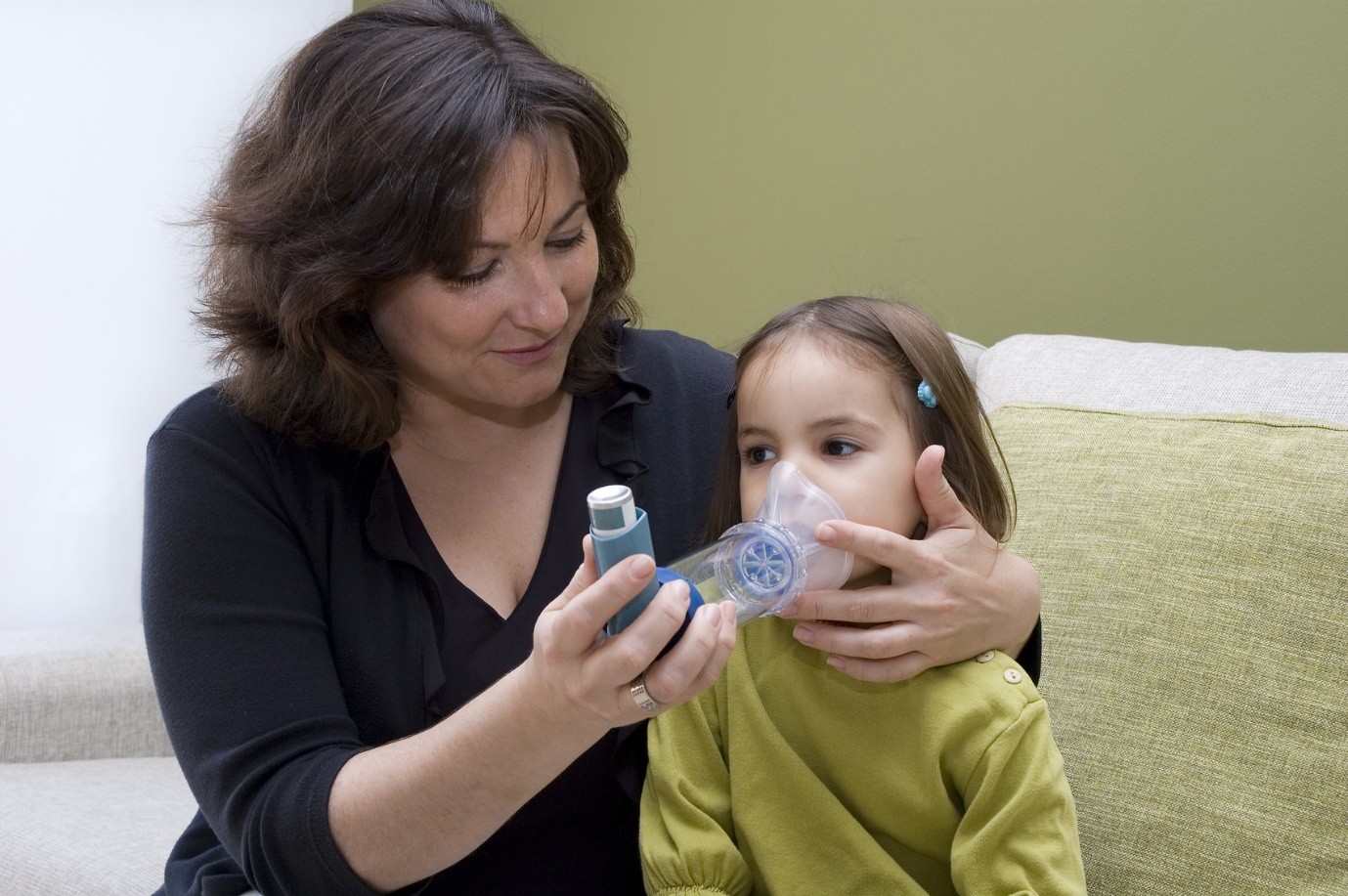
• A rescue inhaler: Fast-acting “rescue” inhalers could support during asthma attack. They were carrying a bronchodilator that quick way opened the airways, such as albuterol.
• Oral steroids: Your provider might prescribing a tiny course of oral steroids for flaring-up.
• Biologic therapy: Treatments such as monoclonal antibodies might supporting severe asthma.
Usage the rescue inhaler,
calling 911 (or your local emergency number) if you were having a severe asthma attack or were experiencing these symptoms:
• panic or Anxiety
• Bluish, whitish or grayish fingernails, gums or lips
• Chest pressure or pain
• Coughing that would not stop
• Severe wheezing when you breathe up
• Difficulty talking or swallowing
• Pale, sweaty face
• Rapid breathing

What could I expect if I am having asthma?
Most persons with asthma could manage their symptoms. Asthma management signify you:
• Could do the things you need to do at home and work
• Have no (or minimal) asthma symptoms
• Rarely wanted to utilize your rescue inhaler
• Could sleep without asthma symptoms wake in you up
• Don’t want oral steroids for flare-ups more than thrice a year.
What can I do to feel better?
You might be able to lessen or avoid asthma symptoms with the some everyday habits. These involve:
• Ignore triggers whenever possible. It might be helpful to kept a symptoms journal to figuring out what makes the symptoms worst.
• Be physically activated to an layer that was righteous for you. Asking the provider what they recommended. A pulmonary rehabilitation program might support.
• Don’t fag or vape.
• Let the provider know if you were unable to use inhalers or taking medication as prescribed.